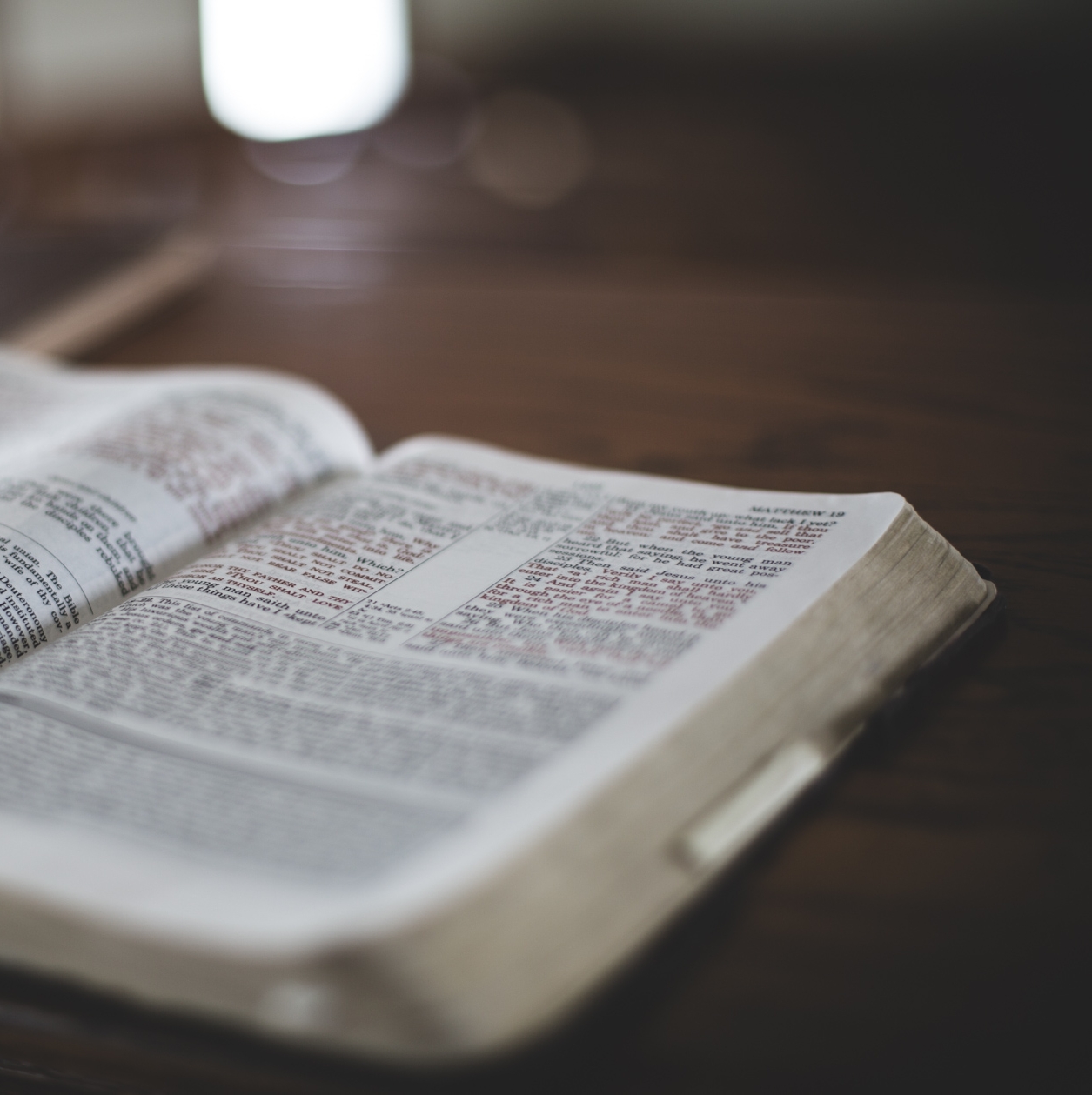
Our Glorious Goal (Revelation 4-5)
by Pastor David G. Barker
After these things I looked, and behold, a door standing open in heaven. And the first voice which I heard was like a trumpet speaking with me, saying, "Come up here, and I will show you things which must take place after this." (Rev. 4:1)
This is a picture many of us are familiar with – the picture of the end of days when we will all be gathered around the throne of God and will worship him in the fullness of his presence and to the fullness of our own joy.
This picture contains many elements in it – among them is the repeated notation of the presence of the twenty-four elders. The word “elders” appears twelve times in the book of Revelation alone, but the office of elder is present among God’s people beginning even with the book of Genesis. And the elders of the people are mentioned two hundred times throughout the whole of God’s Word.
We cannot be too sure, I suppose, exactly who these elders are here. They might simply be angelic messengers as some Bible notes suggest. Or perhaps they are historic church heroes of the faith and leaders of the church – Peter, Paul, Augustine, Luther, Calvin, Whitefield, Edwards, Spurgeon, Sproul. Or, perhaps they are all the “unsung” elders in Christian history – the “ruling” elders, as we call them in the PCA, who proved open to God’s call and faithful to God’s church and then slipped out of this life with hardly a notice, nod, or memory.
As such, this is, then, a very appropriate and glorious picture of the reward that those hard-working ruling elders receive for their labors: that the entire church is, at last, gathered around the throne worshipping; that these elders are given seats of honor circling that throne; and that they are given, and wear with honor, crowns of gold.
Many would say that for the care and sacrifice the elders give to their flocks, these men well deserve this recognition and honor. Some in the church, who have had the occasion of giving their elders more than their share of grief, headache, and heartache would like to suggest humorously that this is the least God could do for these men for all that they had put their elders through.
But even though the ruling elders in your own midst might be too humble to think or imagine that they are serving you now with the expectation of a throne
or a crown in mind, nevertheless, that reward is just as much a portrayal here of the victory in Christ that we will all share at the end of the ages, just as real as is the throne upon which God rests or the visible portrayal of Jesus himself – looking in appearance as a slain lamb and yet living, never to die again.
Paul himself, by the inspiration of the Holy Spirit, spoke of the crown that he knew awaited him and that, as long as he had breath in his body, he would labor here on earth in order to obtain that heavenly prize. And like Paul, the calling, the duty, the task of the elders of the church of Christ today can really be summed up in only one, particular objective: to prepare the flock of God, for the day John here describes – the day when we, too, will join all of these and stand before the throne of God and worship Him.
Peter stresses much the same thing in 1 Peter 2. First comes that well- known passage where he portrays the church as made up of living stones, being assembled and held together by the cement of the Holy Spirit for the sole purpose of being the eternal residence of God. And then he turns his attention to the time that we spend here on earth and gives us this charge and exhortation:
“Beloved, I beg you as sojourners and pilgrims, abstain from fleshly lusts which war against your soul, having your conduct honorable among the Gentiles, that when they speak against you as evildoers, they may, by your good works which they observe, glorify God in the day of visitation. (1 Pet. 2:11-12)
Why should Christians do that? Why should we be so different in this world? Why should we be at all concerned about a war against our souls? Why should we abstain from lusting after all the things the world lusts after? Why should we not make ourselves at home here and now? Why should we conduct ourselves in a way that is so foreign to so many around us – living honorably and giving honor to others, caring, in other words, what other people think of us, doing deeds of service and compassion and ministry? Why should we bother?
Peter’s answer is very simple, and in doing his service as a fellow-elder, he tells the rest of us: it is because the day of the Lord is coming. The day of lusts and Gentiles and evil-doers is coming to an end and that day - the day of God’s victory and judgment - is not only imminent, it is eternal.
You see, my friends, the task of your elders is not, primarily, to sit in board meetings and make policy decisions. It is not first and foremost to argue over dates and schedules. The primary task of your elders is to prepare the people of God for the day to come - to call them to a continuing, growing relationship with Christ, to remind them of their duty of how and why they are to live differently in this world, so that they will be focused, ready, and even yearning for the day, the glory, the throne which are ahead.
The elders are to guard the peoples’ hearts and minds, to preserve and protect and defend their souls, to move alongside the ministers as we all pilgrim through this life. And as members of the church of Christ, we benefit greatly from that attention and diligence and care. The peoples’ paths will be made all the more clear, our responsibilities – as husbands and fathers, wives and mothers, parents and children – will be all the more faithfully encouraged and carried out. Our own spiritual growth is to be addressed and challenged, our own marriages are to be strengthened and supported, our families are to be blessed and loved. And our own spiritual desires are to be deepened – that one day, we too, will stand around that throne and sing with all the joy in our hearts:
Worthy is the Lamb who was slain To receive power and riches and wisdom, And strength and honor and glory and blessing!”
'

